

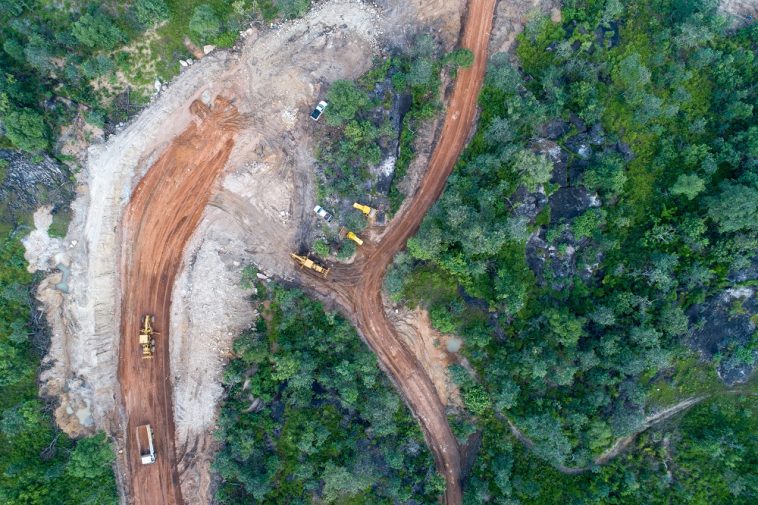


In Haut-Katanga, a silent battle pits forest communities against mining companies attracted by the cobalt and copper buried beneath the region’s last protected forests.
In Lukutwe, a locality nestled in the heart of these forest massifs, residents watch over a heritage they consider as much a cultural legacy as a livelihood. Tree roots are still used there to prepare traditional medicines.
Faced with this threat, the communities have structured their defense. Reforestation and controlled charcoal production initiatives have been launched to reduce the human footprint on these ecosystems. The Lukutwe community forest reserve has secured official land titles to prevent any illegal exploitation, though this does not always deter greed.
“Recently, a powerful individual arrived saying he had already bought our concession. We asked him: how is that possible, when we are the ones holding the documents? He had simply shown up with machines to start the work,” Corneille Makonga, a forest ranger, told AFP.
The DRC produces about 70% of the world’s cobalt, an essential mineral for the electronics industry and batteries. However, this exploitation comes at a massive environmental cost. Mining waste pollutes waterways, degrades crops, and decimates aquatic wildlife.
“There was a time when we harvested huge quantities of good quality tomatoes. But now, during the dry season, the miners wash their minerals and the contaminated water is discharged into the river along with all the acids. Sometimes the fish die,” testified Véronique Sebente, a member of the CFCL committee, quoted by AFP.
Haut-Katanga currently has 20 community forest reserves covering 239,000 hectares, with 12 others in the planning stage.
M&B