
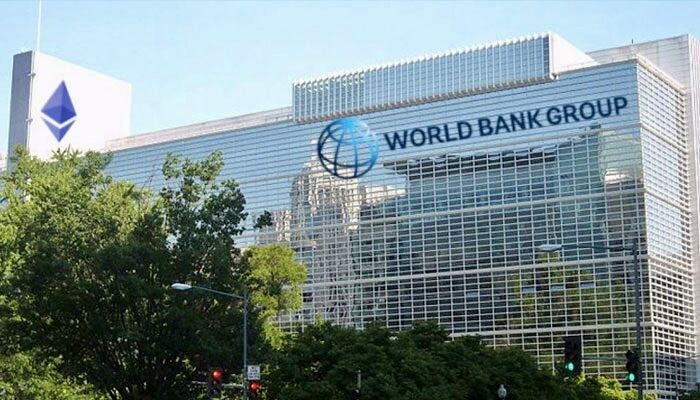
The World Bank Group mobilized a record USD 112 billion in private capital during fiscal year 2026, more than three times the USD 35 billion recorded four years earlier. Including its own commitments, the institution estimates at more than USD 200 billion the total volume of financing and resources mobilized in favor of developing economies.
Progress across several categories of economies
According to data published on September 17 in Washington, private capital mobilization rose sharply in middle-income countries. In lower-middle-income economies, it increased from 14 to 37 billion USD. It also rose from 12 to 50 billion USD in upper-middle-income countries.
Africa also shows significant progress. Private capital mobilized on the continent increased from about 9 to 22 billion USD in four years, a rise of nearly 150%.
Guarantees as an investment lever
In low-income countries, mobilized amounts remained around 3 billion USD, in a context marked by persistent difficulties in attracting private investors.
This development follows three years of reforms undertaken by the World Bank Group to strengthen its relations with the private sector. The institution says it has simplified its procedures, brought its public and private sector activities closer together, and expanded its range of financial instruments.
Guarantee mechanisms are also playing a growing role. More than USD 25 billion in guarantees were issued in 2026, allowing the Group to exceed by four years its target of USD 20 billion in annual issuances set for 2030.
Employment at the heart of the strategy
For Ajay Banga, President of the World Bank Group, the challenge is now to direct more capital toward economies capable of creating businesses, opportunities, and jobs.
The need is particularly great in developing countries. The World Bank estimates that 1.2 billion young people will reach working age over the next 10 to 15 years, while about 420 million jobs are expected to be created. The private sector already accounts for nine out of ten jobs in these economies.
Five priority sectors
The strategy relies notably on infrastructure development, improving the regulatory environment, and supporting companies in scaling up.
Five sectors are particularly targeted: infrastructure and energy, agribusiness, health, tourism, and value-added manufacturing. During fiscal year 2026, 55% of the Group’s financing, including its own resources and mobilized capital, was directed to these sectors.
The World Bank now intends to further diversify funding sources and broaden its investor base, particularly institutional investors, in order to increase the scale of private investments destined for developing economies.
Héritier Maila / Zoom Eco
Keywords: World Bank, development finance, private capital, investments, Africa, developing economies, guarantees, Ajay Banga, employment, infrastructure, energy, agribusiness, manufacturing.
About The Author

Commentaires