
Growth of more than 119% in seven years
The value of Côte d’Ivoire’s merchandise trade has more than doubled in seven years, rising from 26 billion dollars in 2018 to 57 billion in 2025. These figures appear in Afreximbank’s latest country note, published on 31 October 2026. This growth confirms Abidjan’s increasing weight in West African trade flows, but raises the question of local processing of raw materials.
Raw materials at the heart of exports
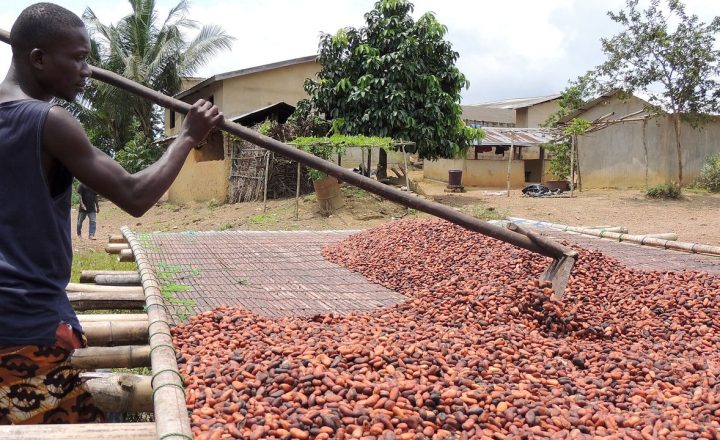
This trend is driven mainly by agricultural and mining exports, as well as by the rise of hydrocarbons. As the world’s leading cocoa producer, the country accounts for nearly 40% of global supply. Cashew nuts, rubber and gold also help broaden the range of exported products.
Strategic infrastructure for trade
This momentum relies on key infrastructure. The ports of Abidjan and San Pedro are the main gateways for goods entering and leaving the country. Located on the Gulf of Guinea, they serve the domestic market and facilitate trade with several West African countries, particularly landlocked economies.
The African market, a significant outlet
According to Afreximbank, African markets accounted for about 22% of Ivorian merchandise trade in 2025. This share highlights the potential of continental outlets, as the African Continental Free Trade Area (AfCFTA) aims to ease the movement of goods and strengthen regional value chains.
The challenge of local processing
However, rising trade does not necessarily mean a deep diversification of the economy. The large share of commodities exposes export revenues to fluctuations in world prices. The difficulties in the cocoa market illustrate this vulnerability. The challenge is therefore to increase local processing, develop industrial capacity and sell more high value-added products.
Turning trade growth into wealth
For Abidjan, the challenge is no longer simply to trade more, but to derive greater economic value from these flows. The rise from 26 to 57 billion dollars reflects genuine commercial dynamism. Its lasting impact will depend on the country’s ability to convert this growth into jobs, productive capacity and more evenly distributed wealth. Logistics and business financing will remain decisive in supporting this ambition.
MB / AGENCE ECOFIN
About The Author

Commentaires