
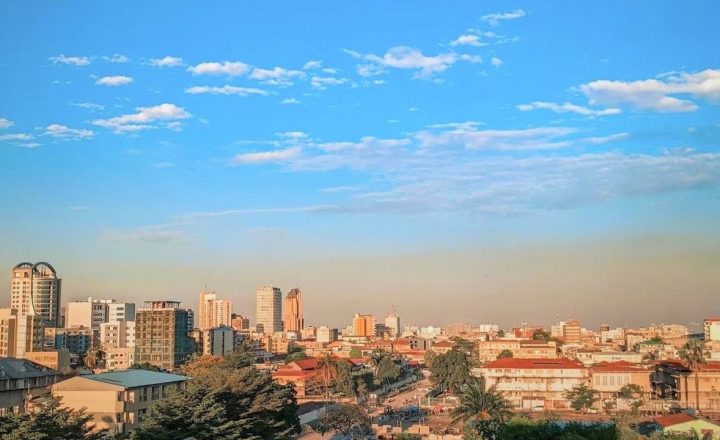
The Democratic Republic of the Congo is reinstating the 16% VAT on new housing, in contrast with several African countries that have opted for exemptions or preferential regimes to support residential real estate.
A Major Shortfall
According to the National Agency for the Promotion of Investments (ANAPI), the DRC is short of about four million homes. Additional needs linked to population growth and rural exodus are estimated at 263,039 units per year. In Kinshasa, the expansion of unplanned neighborhoods is making access to basic services more difficult.
To address this crisis, the country needs to develop structured residential programs. But developers’ capacity to invest also depends on the cost of materials and on the tax environment.
A Choice Against the Trend
Rwanda, Kenya, Tanzania, Uganda, Nigeria and Mauritius exempt, under certain conditions, transactions involving residential property. Morocco, Côte d’Ivoire and Senegal grant tax advantages to certain social or affordable housing programs.
In the DRC, sales of new buildings by professional developers are subject to the standard VAT rate of 16%. This tax increases the cost borne by the buyer, who generally cannot recover it when purchasing a home to live in.
The Return of a Suspended Tax
Between 2022 and 2025, the government had suspended the collection of VAT on certain real estate transactions and certain cement-related goods. Introduced by the decree of 15 October 2022, the measure was renewed in order to reduce construction costs and make new homes more accessible.
The 2026 Finance Act ended this exemption regime. The draft 2027 budget maintains the tax, while the price of cement, rebar and several imported materials is already weighing on construction sites.
The Construction Sector and Lawmakers Call for a Review
In the National Assembly, lawmakers are calling for an amendment to the draft 2027 Finance Bill to reinstate the VAT suspension on new housing and certain materials. On 12 November, the Club BTP & CMA held a consultation in Kinshasa on reducing construction costs and speeding up housing production.
Beyond taxation, access to developed land, financing, title security and land servicing remain essential. The challenge is to reconcile public revenue and investment, in order to expand the supply of affordable housing and better organize urban expansion. The debate over housing taxation remains open.
Héritier Maila
Source: 7sur7.cd
About The Author

Commentaires