
After several months of supporting businesses, the Congolese government has ended the moratorium granted as part of the standardized invoicing reform. In Kinshasa, Finance Minister Doudou Fwamba Likunde Li-Botayi announced the transition to a phase of inspections and sanctions, with the aim of increasing VAT collection and strengthening the resources available to finance development.
Strict Enforcement of the Reform Now Begins
The period of support has now come to an end. Finance Minister Doudou Fwamba Likunde Li-Botayi officially ended, on Thursday, August 6, 2026, in Kinshasa, the moratorium granted to companies subject to VAT and the Turnover and Income Tax (ICG) as part of the standardized invoicing reform.
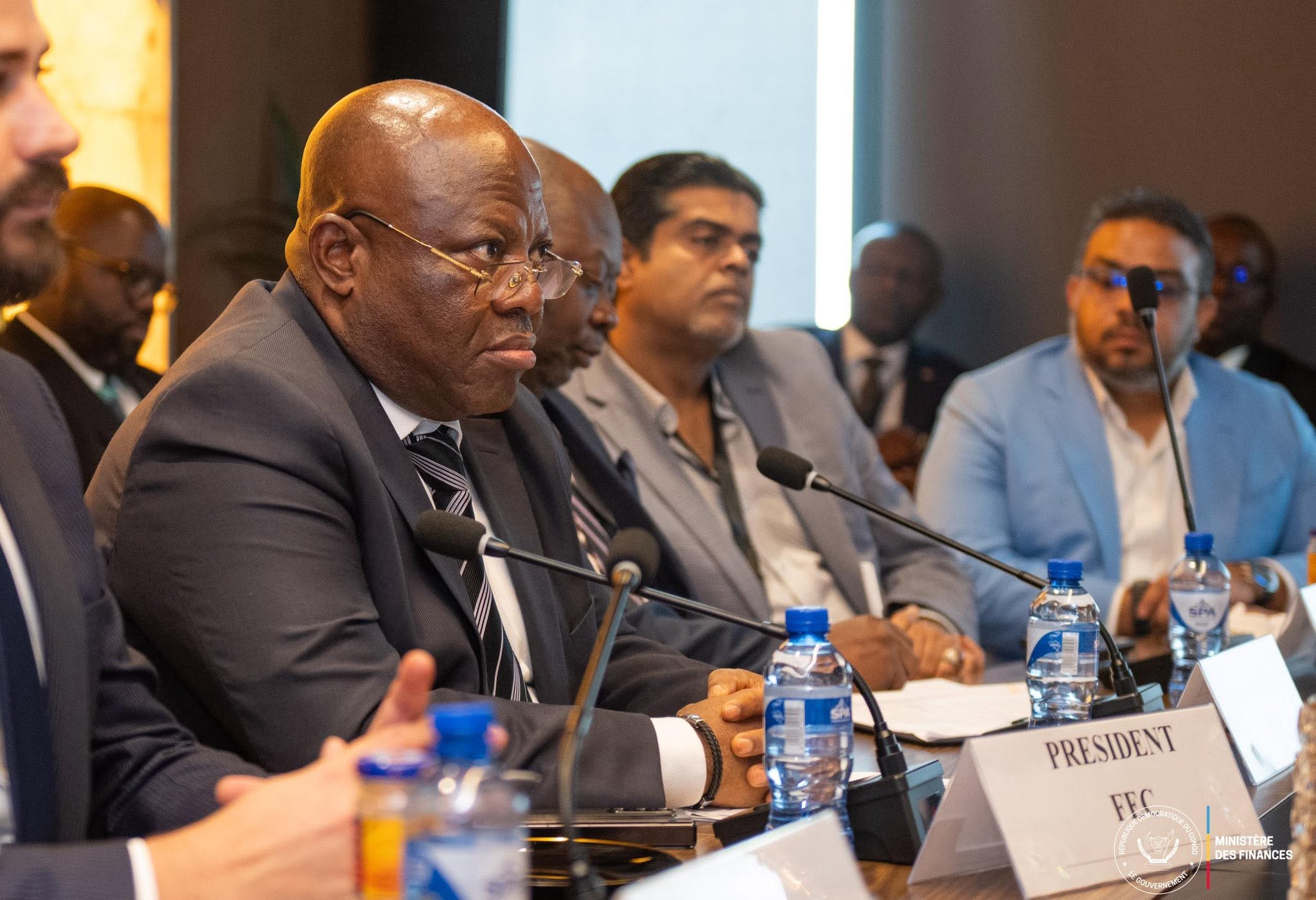
At the closing of the tax clinics dedicated to the reform, the minister expressed the government’s determination to move to a new phase. “The era of VAT fraud is over,” he said, warning that no additional deadlines would be granted to the economic operators concerned.
The decision comes after several months dedicated to raising awareness and supporting taxpayers. The government had notably established a joint commission with the Federation of Enterprises of Congo (FEC) to identify the difficulties faced by businesses and facilitate their compliance.
More Than 4,000 Electronic Devices Provided to SMEs
To support small and medium-sized enterprises in particular, the government also provided more than 4,000 electronic invoicing devices free of charge.
The objective was to allow businesses to gradually adapt to the new system and ensure better traceability of transactions subject to VAT.
With the end of the moratorium, the Directorate General of Taxes (DGI) is now expected to intensify inspections. Companies that continue to circumvent the reform may face reminders, formal notices, and, where applicable, seizures.
Enforcement will not only target taxpayers. The Finance Minister also announced measures against officials involved in the irregular validation of VAT deductions, as part of the government’s stated determination to combat fraudulent practices at every level of the tax system.
VAT Revenue Is Rising, but the Government Aims to Double Collections
According to the government, the reform’s first results are already beginning to appear in public revenues.
Figures presented by Doudou Fwamba indicate that monthly VAT revenues, previously around 280 to 290 billion Congolese francs, reached nearly 340 billion Congolese francs over the past three months.
However, this increase remains below the government’s ambitions. The authorities ultimately aim to double VAT revenues, with the objective of mobilizing more domestic resources to finance infrastructure, public services, and national development priorities.
A Mobile Application to Strengthen Transparency
The reform is expected to enter another phase with the upcoming launch of a mobile application for consumers.
The application will allow users to scan an invoice to verify whether it is properly standardized and whether the VAT charged has actually been transferred to the Public Treasury.
Through this tool, the authorities want consumers themselves to become additional participants in the fight against tax fraud. The digitalization of invoicing is therefore expected to improve transaction traceability, strengthen revenue collection, and reduce opportunities for businesses to conceal turnover.
For the Ministry of Finance, the end of the moratorium therefore marks a transition from a policy of support to one of enforcement. The challenge will now be to ensure lasting compliance with the reform while maintaining a sufficiently predictable tax environment for businesses and investors.
Héritier Maila / DESKECO
About The Author

Commentaires