
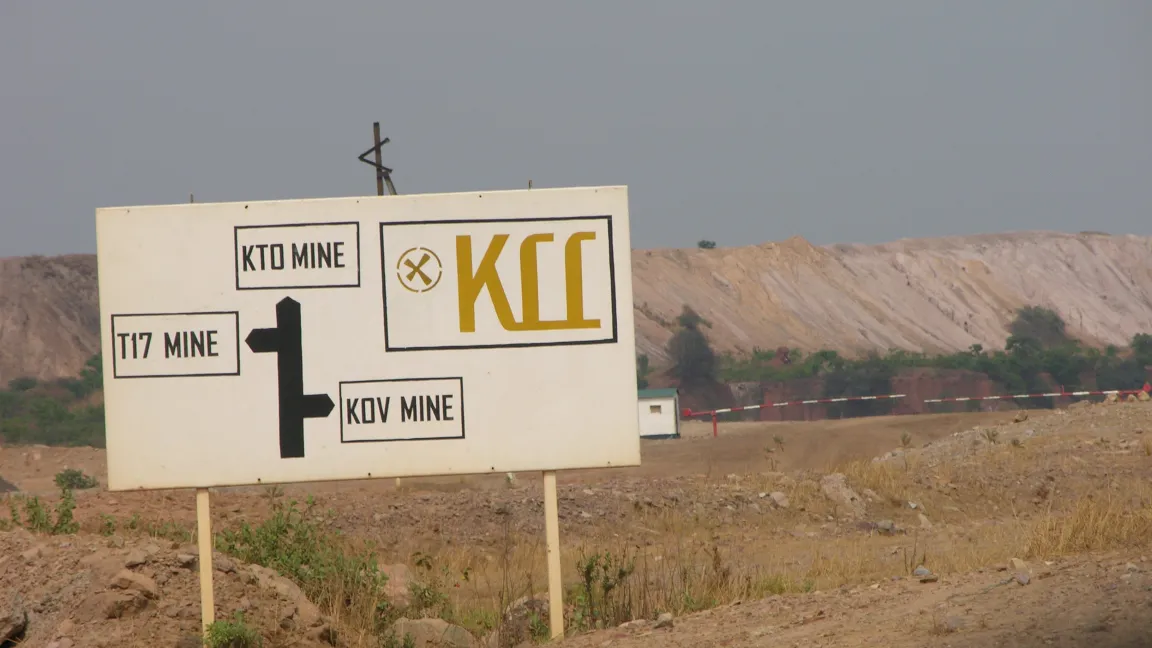
The administrative closure of Kamoto Copper Company (KCC) facilities in Kolwezi marks a new stage in the sometimes tense relations between the Congolese State and major mining companies. At the heart of the dispute, the Directorate General of Taxes (DGI) is claiming nearly 3 billion US dollars in tax arrears from this subsidiary of the Glencore group, a claim the company categorically rejects.
DGI agents placed seals on the offices and several facilities of KCC, leading to the temporary shutdown of some activities as well as the evacuation of staff. According to tax authorities, this administrative measure is intended to compel the company to meet its tax obligations in connection with a dispute involving an amount considered substantial.
For its part, Glencore disputes the accusations made by the Congolese administration. The group says the DGI’s claims are “completely without merit” and maintains that it complies with the tax provisions applicable in the Democratic Republic of Congo. The company may initiate the procedures provided for by law in order to defend its position before the competent courts.
Beyond the dispute between the two parties, this case comes at a time when the Congolese government is intensifying controls over revenues generated by the mining sector. The authorities intend to strengthen the mobilization of public revenues by ensuring that companies exploiting natural resources fully meet their tax obligations. Several audits and verification operations are currently being carried out with the support of State control institutions.
The impact of this decision goes beyond the tax issue alone. KCC is among the main producers of copper and cobalt in the DRC, two strategic minerals for the global energy transition. A prolonged suspension of activities could affect national production, exports, as well as direct and indirect jobs linked to the Kolwezi mining site.
The evolution of discussions between the DGI and Glencore will therefore be closely monitored by investors, mining sector partners and Congolese authorities. This case could become an important test of the State’s ability to enforce its tax requirements while preserving the attractiveness of the mining industry, a pillar of the national economy.
Héritier Maila
About The Author

Commentaires