
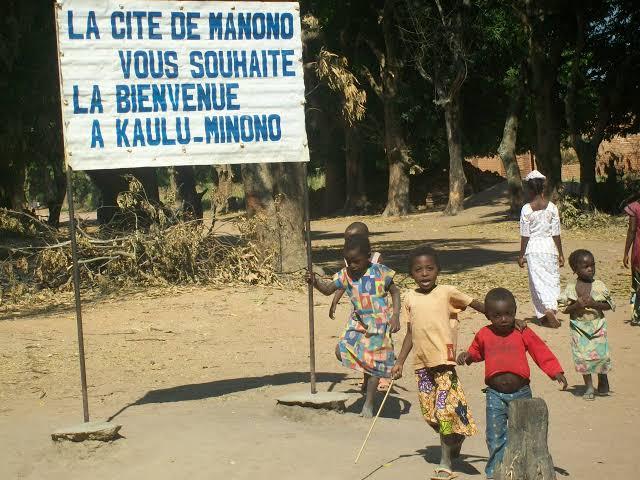
Manono’s change of status opens a new chapter in the history of Tanganyika. But beyond the administrative symbol, this development should above all be seen as an opportunity to fundamentally rethink the future of this mining city.
Manono is not a city like any other. Its history is closely linked to mining, and its subsoil is now generating new ambitions, particularly around lithium, as industrial projects gradually enter their operational phase.
However, this new dynamic raises an essential question: what kind of city do we want to build around the mine?
The experience of other Congolese mining regions shows that rapid economic growth can have considerable effects on populations and infrastructure when it is not accompanied by sufficiently forward-looking urban planning.
For Manono to experience a genuine “Lualaba effect,” it will therefore be necessary to avoid repeating the pattern in which infrastructure struggles to catch up with mining expansion.
Roads, energy, drinking water, housing, schools, health centers, sanitation, telecommunications, and vocational training must be planned now. Young people and local businesses must also be prepared to seize the opportunities generated by the mining economy.
Mining Must Be a Driver of Development, Not an Economic Enclave
This means encouraging local subcontracting, strengthening the skills of the Congolese workforce, and promoting the emergence of a network of SMEs capable of supplying goods and services to mining companies.
But the ambition must go further.
Manono can gradually position itself as an industrial, logistics, and commercial hub for Tanganyika. Local mineral processing, where economically viable, must be part of this thinking. The objective should not be solely to extract and export, but to create more value, jobs, and skills locally.
Lithium is currently giving Manono new visibility. But the region’s potential is not limited to this resource. Its mining history around tin and the presence of other strategic minerals are reminders that this part of Tanganyika possesses significant economic potential.
Manono’s transformation into a city must therefore be accompanied by a long-term vision: urban planning, strategic infrastructure, quality public services, mobility, housing, education, healthcare, and the development of a dynamic local private sector.
True success will not be measured solely by the number of tonnes of minerals produced.
It will be measured by Manono’s ability to transform its mineral wealth into better living conditions for its population, sustainable jobs, local businesses, and infrastructure capable of serving several generations.
Manono has a historic opportunity ahead of it. The potential is immense.
But history will not remember only what its subsoil produced.
Above all, it will remember what that wealth made it possible to build.
The future of the new city of Manono is being decided now.
MB
About The Author

Commentaires