
More than 9,000 pages digitized
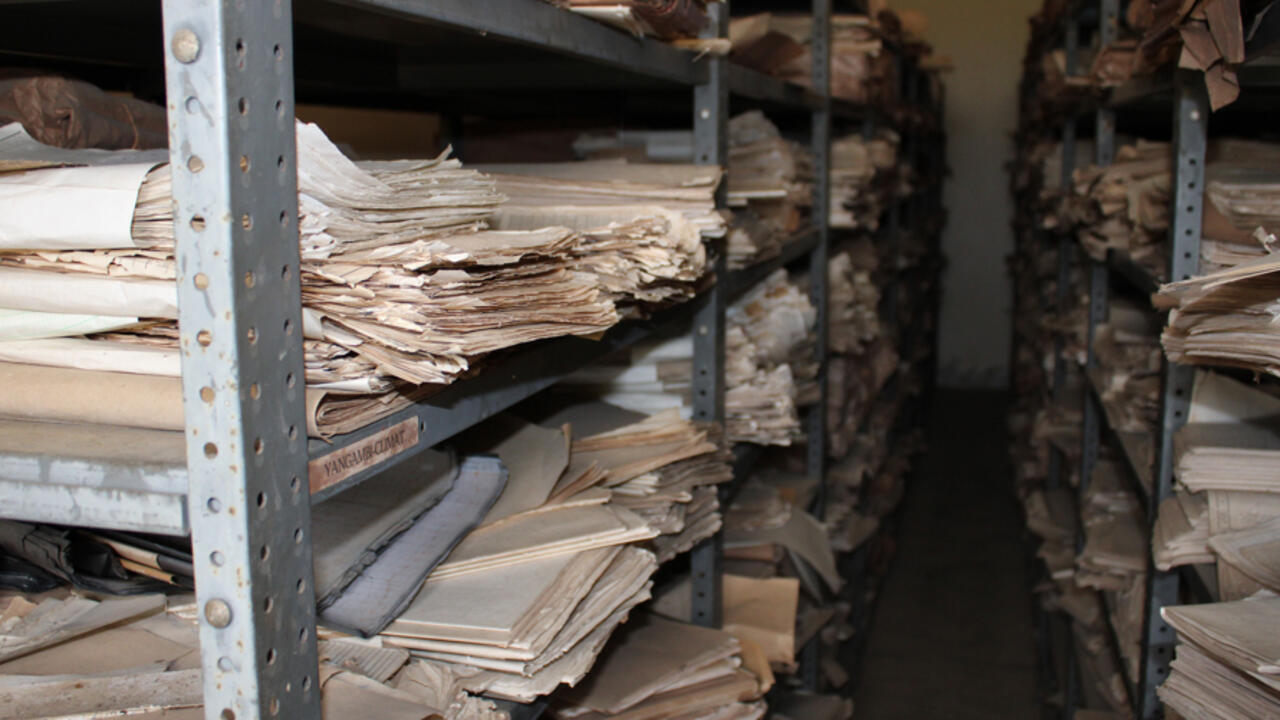
Long faced with a lack of historical weather data, the Congo Basin now has a more extensive scientific base for studying the evolution of its climate. Researchers have digitized more than 9,000 pages of handwritten archives kept in Belgium and the Democratic Republic of the Congo (DRC). The collection represents more than a million observations collected between 1908 and 2023.
These documents help fill some of the gaps that prevented scientists from precisely tracking long-term changes in extreme temperatures and precipitation in this region, which is strategic for the global climate balance.
A measurable rise in temperatures
The reconstructed data reveal a clear warming trend during the second half of the 20th century. Between 1961 and 1990, the average daily temperature in the Congo Basin rose by about 0.9 degrees Fahrenheit, or nearly 0.5 degrees Celsius. At the same time, the average number of hot days per year nearly doubled.
The researchers also found an increase in extreme heat events and heavy precipitation. These trends bring the climate evolution of the Congo Basin closer to that observed in Europe and North America, where historical data series are more readily available.
The results of this research were published in the scientific journal Earth System Dynamics.
Archives at risk of disappearing
Beyond their scientific value, these documents illustrate the urgency of preserving African meteorological heritage. Derrick Muheki, a doctoral student at Vrije Universiteit Brussel, emphasized the fragility of the archives consulted in the DRC. Some of them had been damaged by a fire a few months before his visit.
The destruction of these documents could have led to the loss of several decades of irreplaceable observations. Their digitization is therefore both a heritage preservation operation and an investment in knowledge about climate risks.
A challenge for climate policies
By combining these new data with other previously recovered weather series, the scientists have built one of the most important climate datasets devoted to the Congo Basin. This base could help improve climate projections and better anticipate the consequences of warming in the region.
For Wim Thiery, a professor at Vrije Universiteit Brussel and a participant in the study, these results underline the need to multiply data recovery projects, particularly in regions of the Global South that are already heavily affected by climate change.
The weakness of the weather station network in Africa nevertheless remains a major obstacle. It limits early warning capacities for extreme weather events and complicates analysis of their link to climate change.
Reconstructing the climate history of the Congo Basin thus represents an important scientific advance. It also serves as a reminder that better knowledge of risks is an essential prerequisite for population adaptation, infrastructure planning and the protection of economic activities exposed to climate hazards.
MB
About The Author

Commentaires